Fresh Spring Arrivals Are Here at Beck’s Shoes
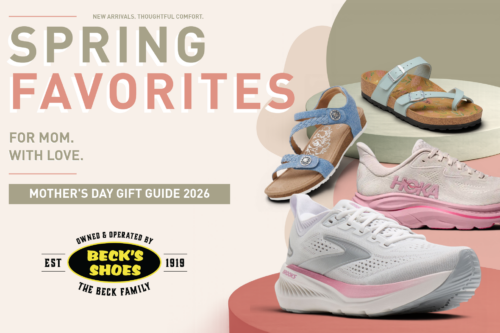
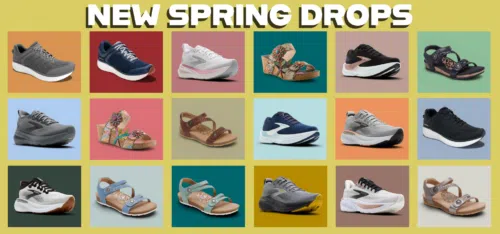
Fresh spring arrivals are here at Beck’s Shoes, featuring colorful new drops from Brooks, Aetrex, Spring Step, and more—designed for comfort, movement, and effortless seasonal style.
When your feet start hurting, most people assume the same thing:
“I guess I need new shoes.”
And sometimes that’s true.
But here’s what we see every day at Beck’s Shoes: many customers walk in with varying types and levels of foot pain or discomfort, thinking its their shoes… and walk out realizing what they really needed was better foot support.
Insoles aren’t just for people with “bad feet.” They’re for teachers who stand all day. Nurses finishing 12-hour shifts. Retail workers on concrete. Parents chasing kids. Travelers walking theme parks. Anyone whose comfort fades before their day is done.
If that sounds familiar, here are five signs insoles might make a real difference for you.
You know that end-of-day feeling. Your shoes looked comfortable when you put them on that morning, but by 3 PM your arches feel strained, your heels ache, and you can’t wait to sit down.
That early fatigue is often a sign that your arches aren’t getting the structure they need. Most factory insoles are thin and designed simply to fill space — not to provide long-term support. As the day goes on, they compress. When that happens, your muscles start working overtime to stabilize your feet. That extra effort leads to fatigue, soreness, and sometimes even knee or lower back discomfort.
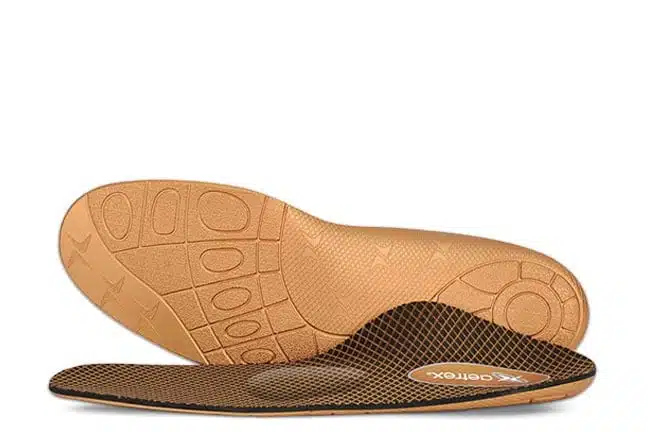
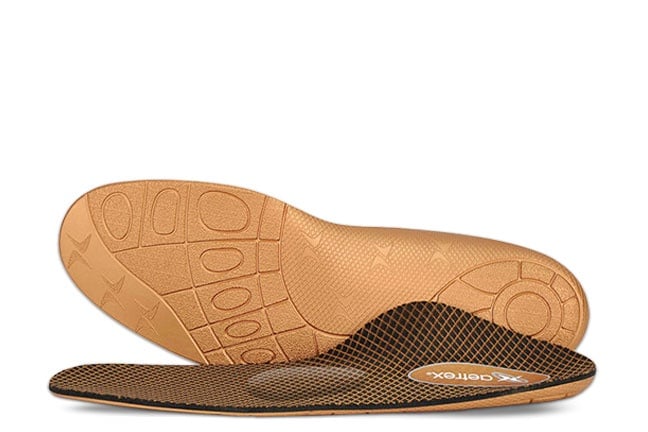
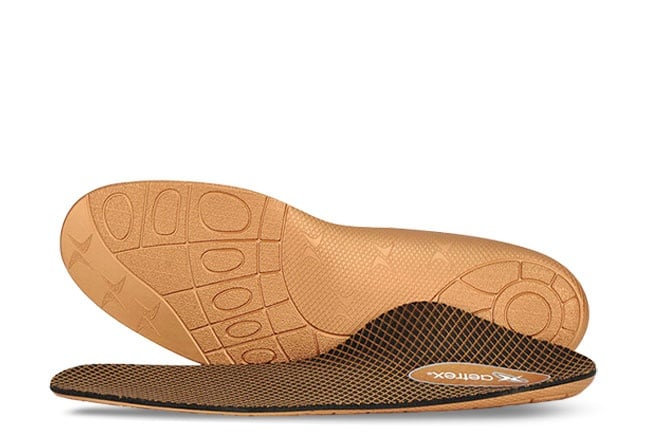
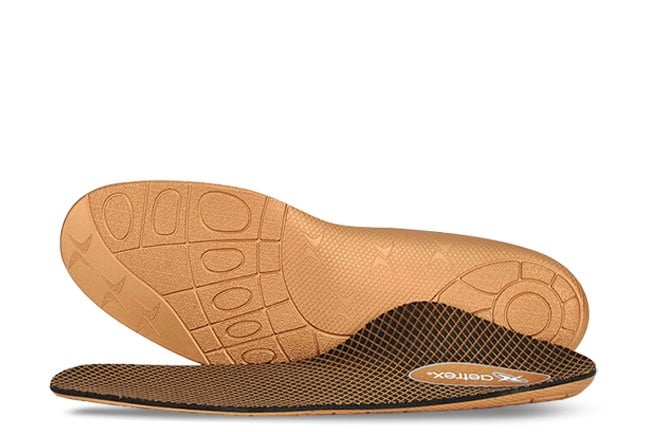
A structured insole helps distribute pressure more evenly across your foot and maintain arch support throughout the day. For customers who are active, on their feet at work, or trying to increase their activity level, this can make a measurable difference. In fact, in our guide Insoles / Orthotics, we break down the differences between top insole systems like Superfeet and Aetrex and explain how choosing the right one for your arch type can dramatically improve comfort.
If your energy fades because your feet are exhausted — not because you are — better support may be the missing piece.
That sharp, tender feeling in your heel when you first step out of bed isn’t something you should just “push through.” Neither is the dull ache in your arches after walking for a while.
Pain like that is often linked to strain in the supportive tissues of the foot. When your arch doesn’t have enough structure, your foot can flatten slightly under load. Over time, that repeated strain builds up.
In fact, as we explain in our blog Plantar Fasciitis – The Foot Flu Explained, heel pain is one of the most common symptoms of plantar fasciitis — a condition that affects seven out of ten people at some point in their lives. That morning pain is a classic sign.
Insoles with proper arch support help stabilize the foot and reduce the stress placed on those tissues. They don’t just add cushioning — they add structure. And structure is what helps maintain alignment and reduce excessive strain.
If your heel pain is consistent rather than occasional, that’s your body asking for better support — not just softer shoes.
Flip your shoes over and take a look at the soles.
Do you notice one side wearing down faster than the other? Is the outer heel significantly more worn? Does one shoe look more compressed than the other?
That uneven wear tells a story about how you move. Shoes are built symmetrically, but your gait isn’t. Some people roll inward slightly. Others shift weight outward. Over time, that imbalance affects both your shoes and your body.
We dive deeper into this in our article Stability Shoes Explained: How the Right Support Helps You Move Better, where we discuss how motion control and support work together to improve alignment and reduce excessive foot movement.
An insole can help create a more balanced foundation inside your shoe. By supporting your arch and stabilizing your foot, it can reduce excessive motion and help distribute pressure more evenly. That doesn’t just improve comfort — it can also extend the life of your footwear.
During our in-store Foot Scan & Fit process, we often see these patterns clearly. Customers are surprised to see their pressure points mapped out in real time. What feels like “normal wear” is often a sign that support could be improved.
Concrete floors are unforgiving. So are hospital corridors, warehouse aisles, classroom floors, and busy retail environments.
Standing for long periods places continuous stress on your arches and heels. Even if your shoes feel comfortable at first, repeated load can wear down internal support faster than you realize. Over time, this can contribute to issues like ball-of-foot pain, heel discomfort, pronation strain, and arch fatigue.
As we outline in Common Foot Ailments and Solutions, many everyday foot problems are either caused or worsened by improper support and ill-fitting footwear. The longer you stand — especially on hard surfaces — the more critical structured support becomes.
A quality insole improves shock absorption and helps maintain alignment during long shifts. Instead of your muscles constantly compensating, your feet have a stable base to work from.
For people who work on concrete or spend most of the day standing, this isn’t a luxury upgrade — it’s foundational support.
This is one of the most common things we hear:
“They’re comfortable for short errands.”
“They’re okay on carpet.”
“They feel good at first.”
But after a mile of walking? After eight hours? After a busy weekend?
Not so much.
That inconsistency usually means the internal support is breaking down under load. Factory insoles compress over time, especially if you wear the same shoes regularly. Even if your shoes look new, the support inside them may not be.
Upgrading your insole can make a good shoe feel dramatically better. It can improve consistency in comfort and provide support that lasts longer than the original insert.
And if you already have insoles, it may simply be time to replace them. Insoles wear out — sometimes faster than the shoes themselves.
Not all insoles are created equal, and not all feet are the same.
At Beck’s Shoes, we use the Aetrex 3D Foot Scanner to assess arch height, pressure distribution, and alignment tendencies. That information helps us recommend insoles that match your specific foot structure — not a generic guess.
There are many over-the-counter insoles on the market that claim to solve a wide range of foot ailments. Some can be helpful. Others may not provide the structure your foot actually needs.
Custom orthotics prescribed by a doctor are medical devices and are typically far more expensive — even with good insurance coverage. For many customers, a properly selected over-the-counter insole chosen through scanning and consultation provides meaningful support without that cost.
The difference is pairing technology with conversation. When you come into Beck’s Shoes, we don’t just look at your scan — we talk with you about your lifestyle, your daily activity level, and your specific pain points. That allows us to narrow down what may work best for you.

Fresh spring arrivals are here at Beck’s Shoes, featuring colorful new drops from Brooks, Aetrex, Spring Step, and more—designed for comfort, movement, and effortless seasonal style.
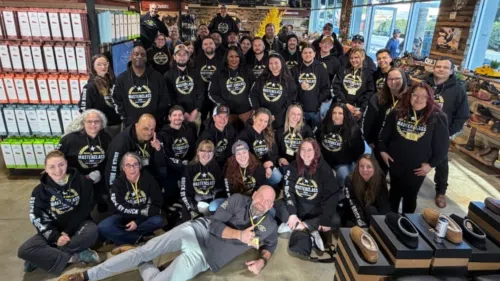
The women behind Beck’s Shoes aren’t just leading teams — they’re on their feet all day, helping customers, moving nonstop, and relying on the shoes they trust. From marathon miles to long workdays, here’s what they actually wear — and why it works.
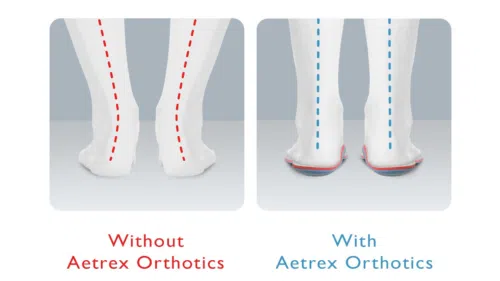
Heel pain, arch fatigue, and uneven shoe wear can signal a need for better support. Discover 5 signs you may benefit from insoles — and how pairing the right support with the right shoes improves comfort and alignment.
If you experience foot fatigue, heel pain, arch discomfort, uneven shoe wear, or discomfort that builds throughout the day, insoles may help. The most reliable way to know is to come in for a free Foot Scan & Fit consultation so we can evaluate your foot structure and discuss your needs.
We generally recommend pairing insoles with a specific shoe and leaving them in that pair. Moving insoles frequently can cause them to break down faster and may affect how they sit inside different shoe styles.
If you’re unsure whether your insoles are compatible with another pair, bringing both the shoes and insoles into Beck’s allows our team to properly assess fit and support before you switch them.
Most quality insoles last between 6–12 months depending on use. If they look flattened, feel less supportive, or your discomfort has returned, they may be worn out. Insoles often break down faster than the shoes themselves.
Custom orthotics are medical devices prescribed by a doctor and are significantly more expensive — even with insurance.
Over-the-counter insoles are more accessible and, when properly selected, can provide excellent support. However, not all OTC insoles are worth it or right for your foot type. That’s why using our Aetrex Foot Scanner and speaking with a trained Beck’s Shoes team member helps ensure you’re choosing support that matches your needs.
Yes. Our Foot Scan & Fit consultation is completely free and there is no obligation to purchase. It simply allows us to better understand your foot structure and recommend appropriate support.
If your comfort fades before your day does, if your insoles are a few years old, or if you’re unsure whether your current support is still doing its job, it may be time for a check-in.
Bring in the shoes you wear most often. Bring your current insoles if you have them. Let us evaluate your support system and help you determine whether it’s still working for you — or if it’s time for an upgrade.
Visit your nearest Beck’s Shoes location for a free Foot Scan & Fit consultation and get fitted properly with your first pair of insoles.
Because at Beck’s Shoes, we don’t just fit shoes.
We fit people.
And sometimes, the smallest layer of support makes the biggest difference.
Erin Beck-Maver is a 5th Generation Beck.
We never spam. Period. You just get the latest from Beck’s directly in your inbox.